
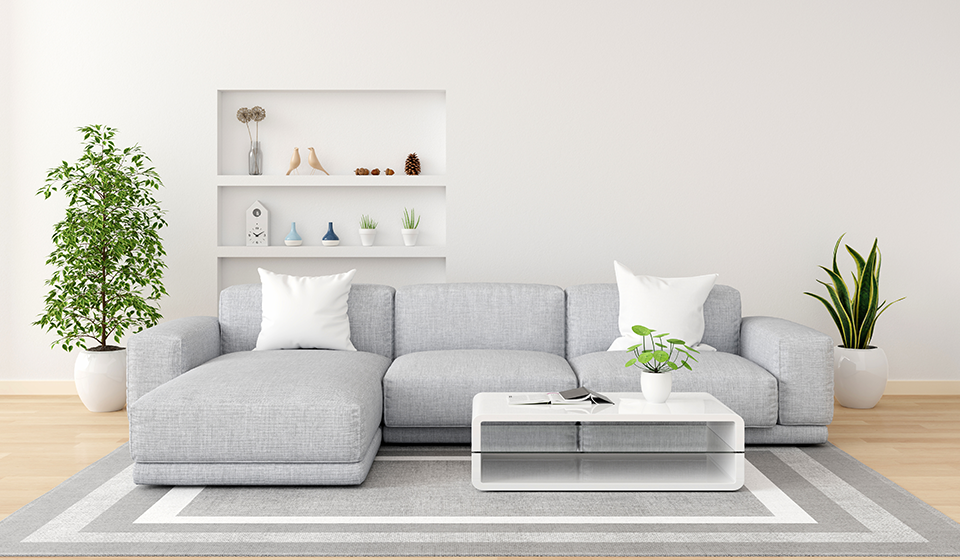
Furniture choices shape everyday living. From how easily a room flows to how comfortable it feels, every piece has a purpose beyond appearance. The challenge lies in finding items that meet practical needs without compromising on style. For instance, investing in modular lounges in Perth offers flexibility in layout while maintaining a sleek, modern aesthetic, making it easier to adapt living spaces as needs evolve.
How to Select Furniture That Combines Design and Practicality
Understand the Purpose of Each Space
Before selecting furniture, it is essential to evaluate how each room is used. A living room designed for entertaining will naturally require a different layout compared to one intended for relaxation. When the purpose of a space is clearly defined, it becomes easier to choose furniture that supports daily activities without overcrowding the area. Thoughtful planning also ensures smoother movement throughout the room, creating a space that feels both functional and inviting.
Choose Furniture That Serves Multiple Functions
Modern homes benefit greatly from furniture that serves more than one purpose. Pieces such as storage beds, extendable tables, and ottomans with hidden compartments help maximise space without adding visual clutter. This approach allows interiors to remain clean and organised while still being highly practical. Multi-functional furniture is especially valuable in compact spaces, where every piece must contribute to both usability and design.
Focus on Proportion and Scale
Proportion plays a crucial role in maintaining balance within a room. Oversized furniture can overwhelm a space and restrict movement, while pieces that are too small may make the room feel incomplete. Choosing furniture that fits the scale of the room ensures visual harmony and enhances comfort. Measuring the available space and planning layouts carefully can prevent common design mistakes and create a more cohesive environment.
Prioritise Comfort Without Compromising Style
Comfort should always be a priority, even in the most design-focused spaces. Furniture that looks appealing but lacks support can quickly reduce the usability of a room. Seating should provide adequate comfort for extended use, while beds must offer proper support for restful sleep. Choosing options like king bed frames in Perth helps achieve both comfort and aesthetic appeal, especially in bedrooms where functionality is essential.
Select Materials That Balance Durability and Aesthetics
The choice of materials has a direct impact on both the longevity and appearance of furniture. Durable materials such as solid wood provide strength and timeless appeal, while metal elements can introduce a modern edge. Upholstered finishes add softness and texture, enhancing comfort without compromising style. Selecting materials that align with lifestyle needs ensures that furniture remains both practical and visually appealing over time.
Maintain a Cohesive Design Theme
A well-balanced interior maintains consistency without appearing overly matched. Sticking to a defined colour palette and blending complementary textures helps create a unified look. Furniture pieces should share common design elements so that the overall space feels connected. This approach allows for variety while still maintaining a sense of harmony throughout the home.
Embrace Smart Storage Solutions
Effective storage plays a key role in maintaining both functionality and design. Clutter can quickly disrupt the visual appeal of a room, making it feel chaotic and cramped. Incorporating smart storage solutions, such as built-in units or hidden compartments, helps keep spaces organised while preserving a clean and modern aesthetic. A well-organised space not only looks better but also functions more efficiently.
Consider Flexibility for Future Needs
Furniture should be able to adapt as lifestyles change over time. Flexible designs, such as modular pieces, allow spaces to evolve without requiring a complete redesign. Neutral styles also provide long-term versatility, making it easier to update decor without replacing major furniture items. This adaptability ensures that furniture remains relevant and functional for years to come.
Balance Trends with Timeless Choices
While trends can add personality and freshness to a space, relying too heavily on them may lead to frequent updates. A balanced approach involves investing in timeless furniture pieces as a foundation, then incorporating trends through smaller accents or decor elements. This ensures that the space remains stylish without becoming quickly outdated.
Conclusion
Balancing functionality and design in furniture requires thoughtful decision-making and a clear understanding of how a space is used. By focusing on comfort, proportion, adaptability, and cohesive design, it becomes possible to create interiors that are both practical and visually appealing. The right furniture choices not only enhance everyday living but also contribute to a home that feels complete and well-designed.
Frequently Asked Questions
What is the most important factor when choosing furniture?
Functionality should come first, as furniture must support daily use while still aligning with the overall design of the space.
How can small spaces balance functionality and design?
Small spaces benefit from multi-functional furniture and smart storage solutions, which help maximise usability without creating clutter.
Should furniture match throughout the home?
Furniture does not need to match exactly, but maintaining a consistent design theme helps create a cohesive and visually pleasing environment.
How can furniture improve daily living?
Well-chosen furniture enhances comfort, improves organisation, and supports everyday activities more efficiently.
Is it better to invest in quality furniture?
High-quality furniture offers better durability, comfort, and long-term value, making it a worthwhile investment.
